
On August 1, 2026, Kasie and Rex were in the studio for an episode on Sloth. Here are the show notes:
Topic: Seven Deadly Sins – Sloth
Agenda:
- Quick catch up
- What are the 7 deadly sins
- Why is sloth a sin?
- How can you write about sloth?
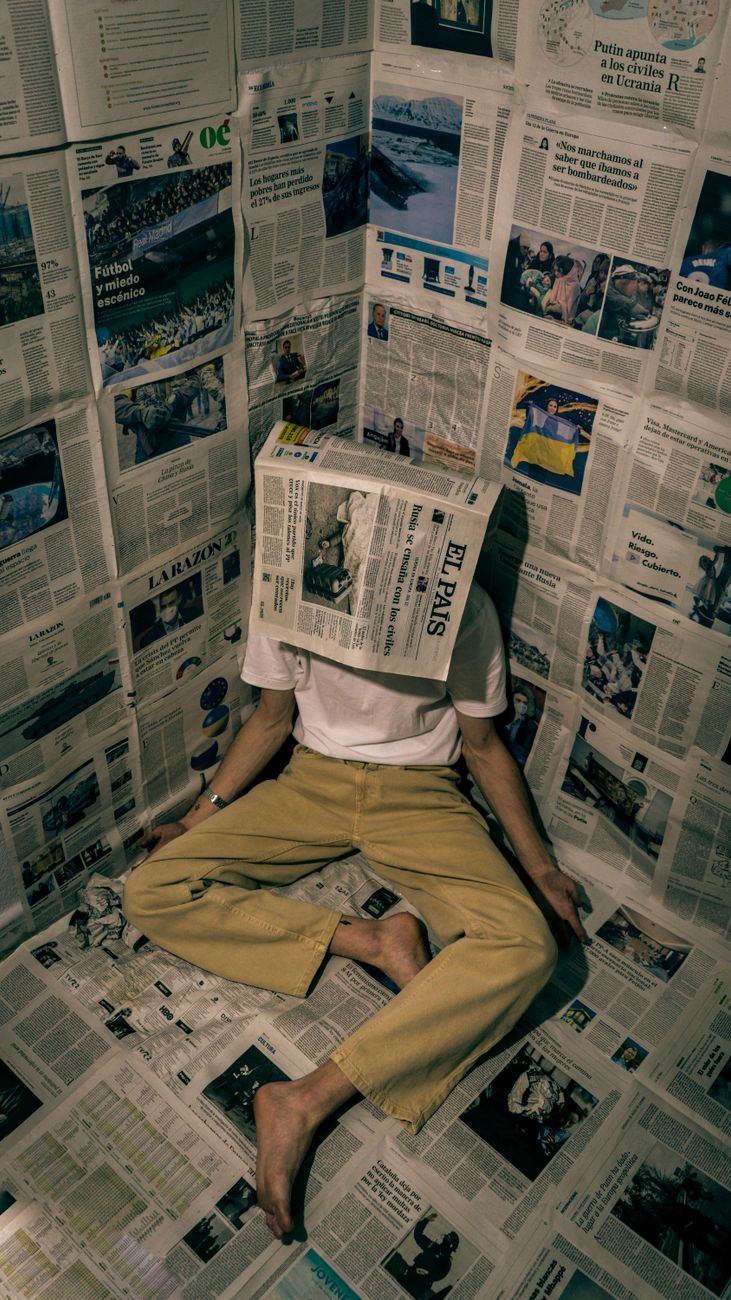
Segment 1
Welcome back to the series on the seven deadly since. This week we take on sloth.
We’ve done the seven deadly sins for the last few summers. It’s a good way to dive deep into character motivation and talk about specific works that engage specific “sins” as catalysts for protagonists and antagonists alike.
This week we work with sloth which first appeared August 2021 with “Do something about it” our episode that addressed sloth as an unwillingness to change one’s own circumstances.
Unlike our other deadly sins, sloth doesn’t seem to have the indulgence that gluttony, greed, and lust; or the passion of pride, wrath, and envy. Sloth seems to be more about being lazy. “Sloth” is a sin of omission in that it literally translates into “without care.”
Also:
- A failure to do the things one should (i.e. care for one’s family, obtain gainful employment, keep a clean home, care for possessions or maintain a residence or car)
- Withdrawal from all forms of participation (i.e. abstaining from civic duty, refusing a community role, passive observer to relevant activities)
- Despair, indolence, or peevishness (i.e. being a grouch, raining on others’ parades, refusing the joy offered by God and others)
- Drifting along in habits of sin, believing one has no ability to resist or change (i.e. addiction, enabling behaviors, helicopter parents who enable cheating or do for children what they ought to do for themselves)
- Poor hygiene, fitness, or nutrition insomuch as a person cares not for the habits that maintenance of one’s physical person requires
Segment 2
So why is sloth a sin?
In 2024, when we took on sloth, we talked about sloth not being procrastination or idleness – the retired aren’t guilty of sloth. But, rather, complacency or apathy that comes from fear.
Sloth is a sin because it refuses the gift God granted you and eschews the joy you could be experiencing in this life because to work for said joy is just too hard, too scary, or requires too much of you.
What does this look like in literature? This Barnes & Noble list:
- Hamlet — the reluctant prince, refusing to pursue his father’s murderer, not wanting to grow up
- Simba in The Lion King — running away to Hakuna Matata and not facing his job as king
- Sense & Sensibility — Jane Austen loves these guys: Mr. Willoughby in S&S, Mr. Wickham in P&P) the young man who will not work, gambles away his inheritance, must marry an heiress despite shameless flirtations with young vulnerable women
- Pygmalion (or My Fair Lady) — Alfred Dolittle (it’s in the name) philanderer, mooch, and extortionist
- Atlas Shrugged — maybe the part the non-Libertarians take issue with; characters who never work for anything, but connive and scheme to take from those who have worked for it such as Taggert and Stadler (::coughs loudly:: Bernie Sanders).
Segments 3 & 4
How can you portray this in your characters? Their unwillingness to act is a sin of sloth – think reluctance of Luke Skywalker or Bilbo Baggins to go on their hero’s journey. This link gives us a few tips:
- Motive – slothful characters want to coast through life, they want the easiest way to the most comfort and security; it’s easy to motivate them if they think the path looks easy to traverse and plentiful with benefits
- Method – slothful characters want the most gain for the least work, so they’ll manipulate others into working for them, they’ll cut corners and mooch off of others to not have to work
- Flaw – slothful characters need to be pushed into action, because they forgo the preparation needed to do the job well, they’ll often struggle with doing the task – messy consequences
What does the sin of sloth do to the characters around this person?
Are they aware of the sloth? Do they call it out?
What tension lives between the moocher and the moochee?
This link talks about the benefits of adding flaws to your characters.
How does apathy appear in characters? Are they interesting?
 #WriteOnSC Radio Show and Craft School