
On December 20, 2025, Kasie and Rex took on Anti-Heroes. Here are the show notes:
Topic: Anti-Heroes
Agenda:
- Quick catch up
- What is an anti-hero
- Types and qualities
- Why they’re used
- Why are there so many of them these days?
- How to write one
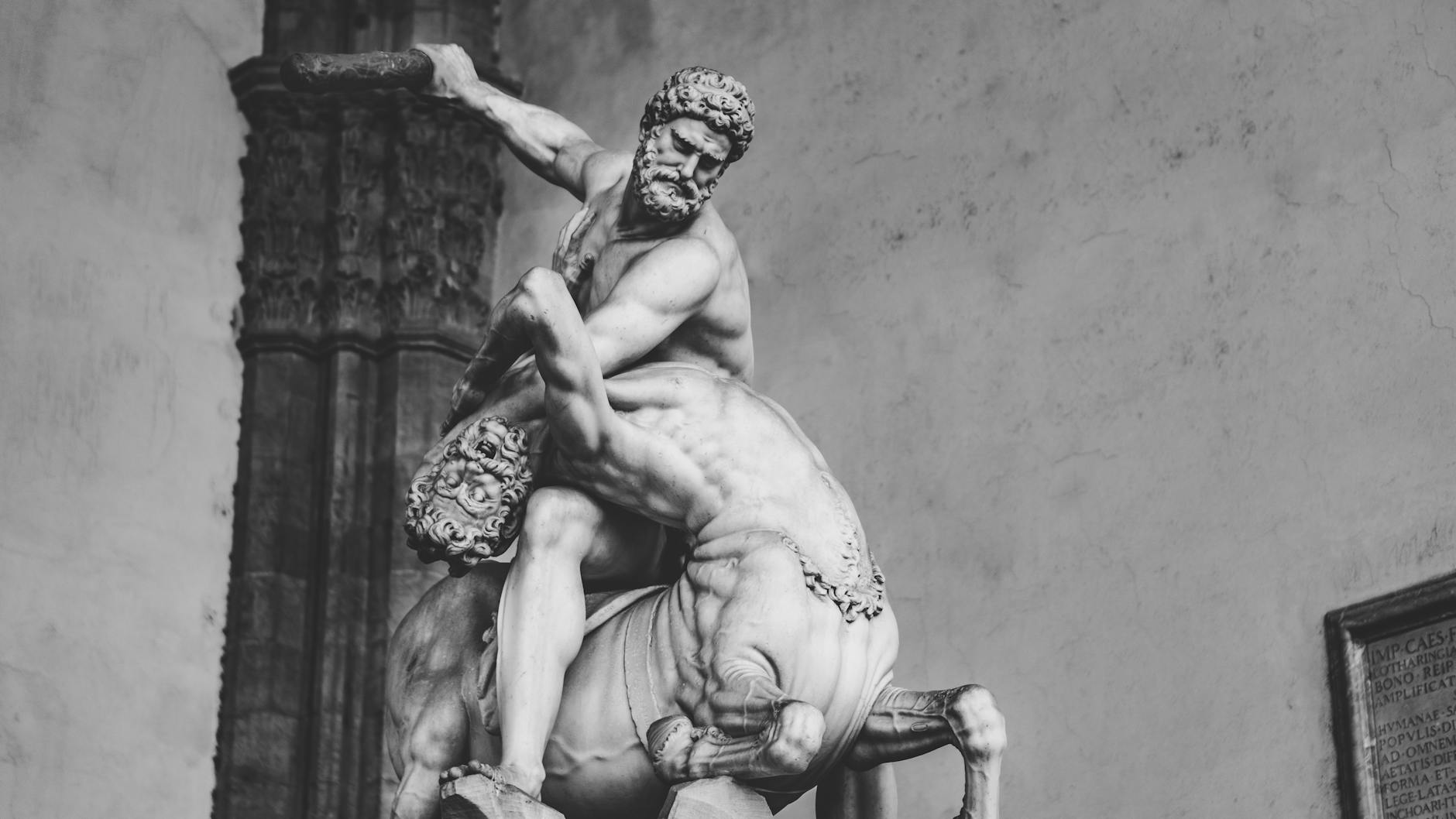
Segment 1
What is an anti-hero? This topic is so old, the show notes still introduce who we are to the audience. Wow. Episode 43 way back in 2019 was the only episode we have dedicated to the Anti-Hero. Notes there are not AI-generated, but these notes totally are:
An anti-hero is a central character who lacks conventional heroic qualities like altruism, morality, or idealism, often driven by selfish motives, flaws, or questionable methods, yet the audience still roots for them because their goals might be relatable or they’re simply more compelling than traditional heroes, examples include Walter White (Breaking Bad), Deadpool, Han Solo, and Fleabag. They operate in moral gray areas, using dark or brutal tactics for understandable, sometimes even good, ends, creating compelling tension. (link & link & link)
Some types of anti-heroes (link & link):
- Classic Anti-Hero: Lacks traditional heroic traits like bravery or confidence, often due to self-doubt, fear, or social awkwardness, but still acts heroically.
- Examples: Holden Caulfield (The Catcher in the Rye), Bilbo Baggins (The Hobbit).
- Knight in Sour Armor: Cynical, sarcastic, and witty but possesses good intentions and a strong moral compass, often with a traumatic past.
- Examples: Haymitch Abernathy (The Hunger Games), Severus Snape (Harry Potter).
- Unscrupulous/Pragmatic Anti-Hero: Willing to do questionable or violent things to achieve goals, often driven by personal gain or survival.
- Examples: Rambo, Jack Sparrow.
- Hero in Name Only: Actions are very dark or villainous, blurring the line between hero and villain, but they remain the protagonist.
- Examples: Walter White (Breaking Bad), Dexter Morgan (Dexter).
- Flawed Hero/Anti-Villain: Good intentions but with extremely questionable or dark methods, sometimes sharing the hero’s goals but being far more ruthless.
- Examples: John Constantine, some interpretations of Tony Stark (Iron Man).
Segment 2
Here are some qualities of an anti-hero (link & links above apply):
- Flawed Morality: They aren’t inherently evil, but their moral compass is skewed, often using violence or deceit.
- Self-Centeredness: Motivated by personal gain, revenge, or survival rather than pure altruism.
- Unconventional Methods: Employ brutal, pragmatic, or illegal tactics to achieve goals that might seem noble.
- Internal Conflict: Often struggle with self-destructive behaviors, trauma, or guilt, making them deeply human
And some examples (link):
- Walter White (Breaking Bad): A desperate teacher who turns to drug manufacturing, becoming a ruthless kingpin for his family but losing his soul.
- Deadpool: A mercenary with healing powers, foul mouth, and violent tendencies, but ultimately fights for good (in his own chaotic way).
- Han Solo (Star Wars): A cynical smuggler initially motivated by money, who evolves to fight for the Rebellion.
- Fleabag: A complex, selfish, and impulsive woman navigating grief and dysfunctional family, whose actions the audience understands but doesn’t always approve of.
- Sherlock Holmes: A genius detective driven by intellectual stimulation, often appearing arrogant and detached from humanity.
- The Punisher: A vigilante who murders criminals, using extreme violence to fight evil.
Segment 3
So, the real question is why do there seem to be so many these days?
The world is a darker place? Can you attribute the acceptance of anti-heroes to the world actually being more gloomy? Covid, for example, could have shoved us into a collective psychosis.
The world is bigger so we have more access/exposure? Could it be that our perception of “more” is distorted by the more in-general?
What goes around comes around? Is this a literature cycle? For example, when Troy came out, we got Hector and Achilles (2004). What was happening in the US? Post-9/11? Abu-Ghraib prison scandal? Contrast that with the Odyssey coming out next summer – Odysseus the OG anti-hero? (that title actually probably belongs to Satan)
Segment 4
How do you write an anti-hero?
Define the character’s desires and limits: what do they want? What are they willing to do to get it? What are they not willing to do?
Figure out the character’s redemption arc or redeeming qualities: even the anti-hero has to be likeable. What is the compelling part of this person’s journey that will keep the reader engaged?
Limit their choices: anti-heroes want to do the right thing, but sometimes the “right” thing isn’t available, or it’s a series of “wrong” things that get us to the ultimate right. If your character can do the obvious right thing but chooses the wrong thing, there should be some compelling reason behind that choice.
Some mistakes when writing anti-heroes (link):
- Lack of relatable or humanizing elements
- Inconsistent characterization
- Plot issues
- Superficiality or cliches
 #WriteOnSC Radio Show and Craft School