
On May 23, 2025, Kasie and Rex took on the mechanics of action scenes. Here are the show notes:
Theme for the day
Action scenes
Agenda
- Quick catch up
- Types of action scenes
- Mechanics and dos and don’ts
Segment 1
On occasion, we all write an action scene. Even the most even-keeled character-driven literary novel has action. In this episode, we’re focusing on the kind of high-action scene that make up a John Wick movie. Fast-paced, tense, plot-altering, action scenes have a specific texture and purpose. They meet a plot’s specific needs.
Some expected action scenes:
- Combat
- Chases and Escapes
- Impending disasters
Segment 2
Combat can be one-on-one bar fights or epic battles, but they are always an escalation from talking through a disagreement to violence. Some rules on writing combat:
- Keep the sentences short – this increases the pace of the scene
- Stay outside of the character’s body – thinking happens later
- Keep the violence close – let the character feel the physical impact
- Be clear what each character’s motivation for being in the fight is and what the stakes are.
- Pacing is critical for realism – most fights are not a continuous stream of activity, but small bursts with heaving breaks, reconsidering, or interruptions
Ask:
Who instigates the fight? How and why?
Are the opponents well matched? Why or why not?
What is the terrain? How will they make use of it?
What interference will they encounter? How will they overcome it?
Why does the fight end? Does someone break it up?
What are the consequences? Where is the character when it’s over?
This article talks about keys to writing a fight scene. And this one offers these tips for action scenes:
- Ask your character what they want
- Know how the scene will change the character
- Use a beginning, middle, and end design to ensure the scene escalates and concludes.
Segment 3
Chases and escapes might include some combat, but they’re different mostly because they span a wider terrain. Some key elements of a chase or scape scene include urgency – is this a secret escape or is the character being pursued in a public way? Establishing the urgency for your reader will be about the details of the pursuit as much as the escape.
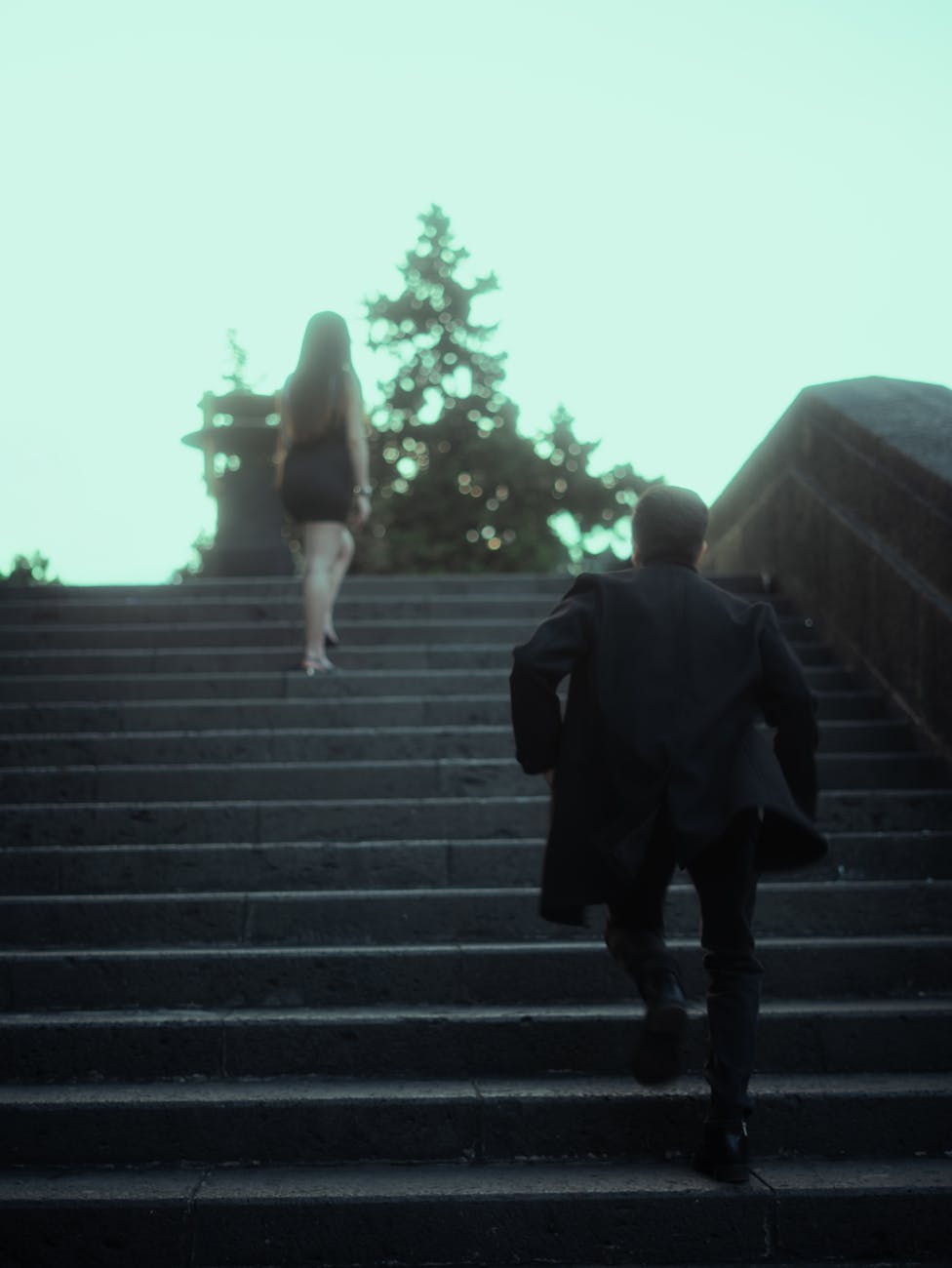
What is the environment for the escape? Is it urban with buildings, cars, people, and pavement? Or is it rural with nature, open fields, or woods or waterways? The environment will introduce terrain – stairs for example, that change the footing and the height of the pursuit.
A good chase is also about the character’s endurance and physical fitness, so help the reader feel the character’s fatigue. A change in terrain will also mean sounds, smells, and lighting so don’t miss the opportunity to share those details.
Chases and escapes also have a purpose to the plot. Ask:
Who are they running from?
What happens if they are caught?
Do they have to run or are they choosing to?
Segment 4
Impending disasters are really weather-related or environmental in that they are not inflicted upon your character by some nefarious entity, they’re a complication to the person-to-person conflict. An example of this might be a mutiny on a pirate ship, when a squall comes up and puts everyone, not just the captain, in mortal danger.
What kinds of disasters can you use?
- Fire – unexpected, violent, disfiguring, and destructive
- Earthquake – also unexpected, also violent, more so if there are buildings involved
- Storm – hurricanes, thunder and lightening, snow or blizzard, the severity of the storm is less important than the damage it does
- Volcano – lava! ash! The smoke! These are interesting because they’re rare and they can be quite sudden or they can be slow to escalate
- Tornado – unpredictable but usually region-specific and born of weather circumstances, was particularly useful in The Wizard of Oz
- Sand storm or Dust storm – have seen this is fantasy terrains like Dune, primarily about air quality and visibility.
How does an action scene unfold when it’s the environment that is attacking?
This list has books that deal with natural disasters.
A man vs. nature conflict erupts when the natural disaster is introduced. Does it add to or tak away from the primary conflict of the story?
 #WriteOnSC Radio Show and Craft School