
Listen to the podcast
On May 10, 2025, Rex was off so Kasie brought in her sister and her daughter to talk about women in literature. Here are the show notes:
Theme for the day
Variations on Women in Fiction
Agenda
- Introduction of special guests
- The Madonna/Whore complex
- The Mad Woman
- Open discussion
Freeform
Rex is still on his grand tour of the East Coast so today I’ve invited Kristen Tiede back for another round. She’s my sister and she appeared on a Special Episode where we kind of piloted a podcast concept: Did You Know? It was super random and kind of all over the place. We liked it but it could use some refining. And last week she helped me talk about reading modalities.
And we have Hollie here, too. And she’s been on a few times mostly to focus on Star Wars and comic heroes and that kind of thing.
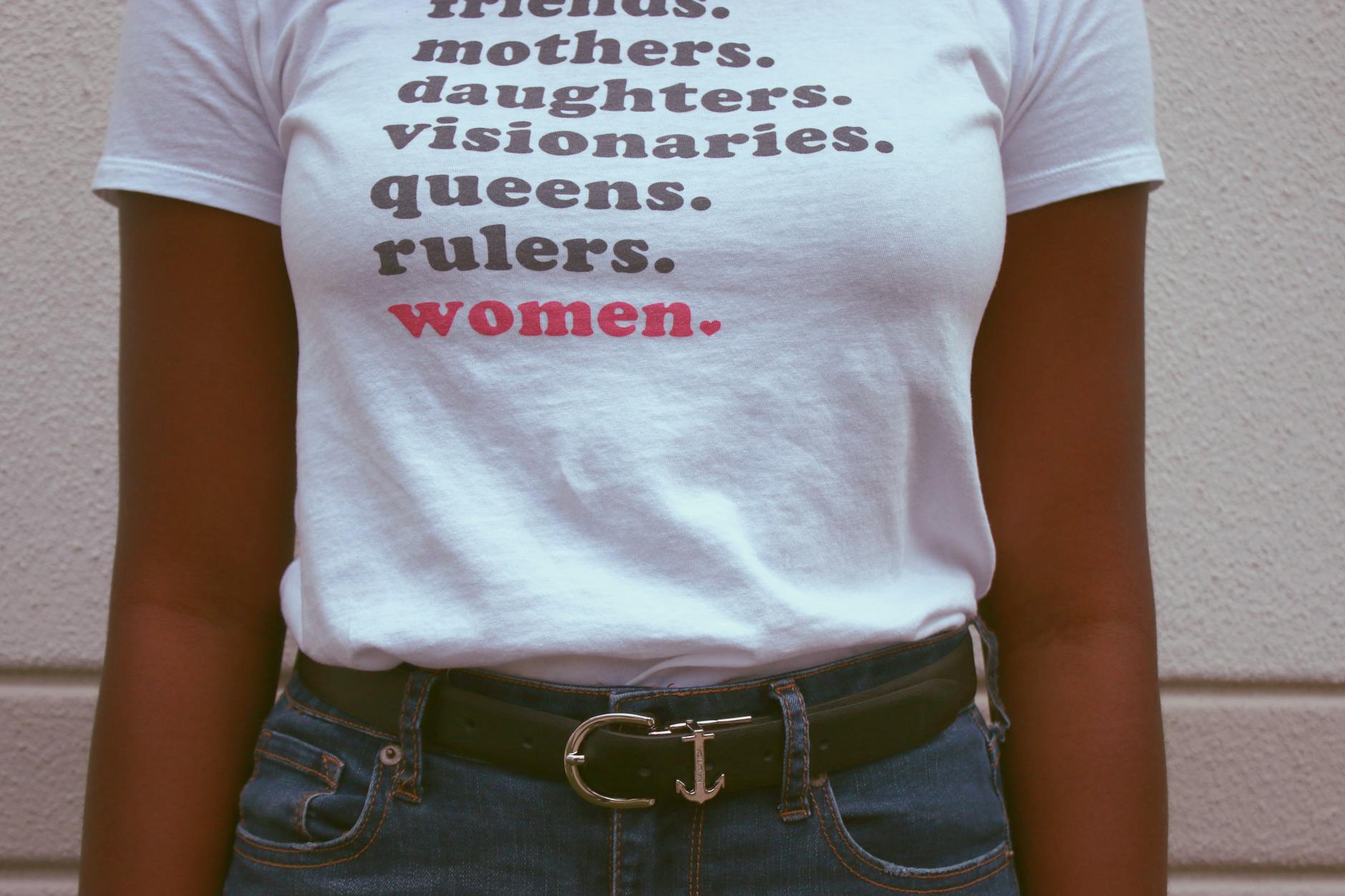
Tomorrow is mother’s day and since we have an all-girls episode here I thought we could take on the ancient battle of female archetypes in literature. Specifically, it’s the critique that in literature, women can only be one of three characters: the virgin mother, the whore, or the crazy lady.
When I google it, I find a lot of references to the “Madonna/Whore” complex which is, specifically: women, in order to appeal to men, must be chaste, virtuous, and desirable. But they can never act on those desires or risk becoming their own foil – the strumpet, the prostitute, the whore.
This link explains the origin of the complex as Freudian in nature – women are divided into Madonnas (pure, nurturing, maternal) and Whores (tainted, depraved, sexual). Freud explained men want sexual partners who have lost their dignity and romantic partners whom they cannot sexualize. Dichotomy!
Advanced theory asks why women should be defined by what they are to men, instead of defined as what they are in and of themselves, but we’ll get to that.
Out of fear for women asserting themselves and expressing their desire for control, men develop “layers of resentment and disdain” that they direct toward the women who dare to step out of the polarizing Madonna/Whore complex.
Enter the Mad Woman, our third female character who rejects the dichotomy and dares (dares!) to be her own person:
- She is Rebecca, incandescent with rage at being restrained
- Ophelia, ready to die to rid herself of the suffocating patriarchy
- Edna Pontellier, from The Awakening, destined also for death because a life apart from husband and children is too much to ask for.
The limitations of these female archetypes are obvious. And most of the blame for them is put on male writers and male critics who dominate the world of literature for far too long.
Some writers play with the Mad Woman, like GIllian Flynn in Gone Girl and Paula Hawins with Girl on the Train.
Let’s talk about our favorite movie, Pride & Prejudice and how Jane Austen addresses the three-way definitions of women:
Jane – virtuous and shy
Lydia – impulsive and reckless
Lizzie – studious but funny, assertive but admirable – is she the madwoman? She wants to marry for love, claims she’ll die an old maid waiting for it.
Characteristics of the Madonna: virtue, simplicity, mild-mannered, pleasant, nurturing, caring, dependable, angelic so as to be inhuman; no woman could actually be this, but it’s the pursuit of it that matters. The attempt seems to be sufficient in modern society.
Characteristics of the Whore: brazen, bold, overtly sexual, independent (to her own ruination), self-possessed, taunting.
“It’s kind of a double-edged sword, isn’t it?…Well, if you say you haven’t, you’re a prude. If you say you have, you’re a slut. It’s a trap.” – Allison Reynolds, The Breakfast Club
This article, from The Hothouse Literary Journal, suggests women should just ignore both and be themselves. How’s that for a solution?
 #WriteOnSC Radio Show and Craft School