
On April 20, 2024, Kasie and Rex took on the steps required of anyone building out a longterm project, Here are the show notes:
Theme for the day
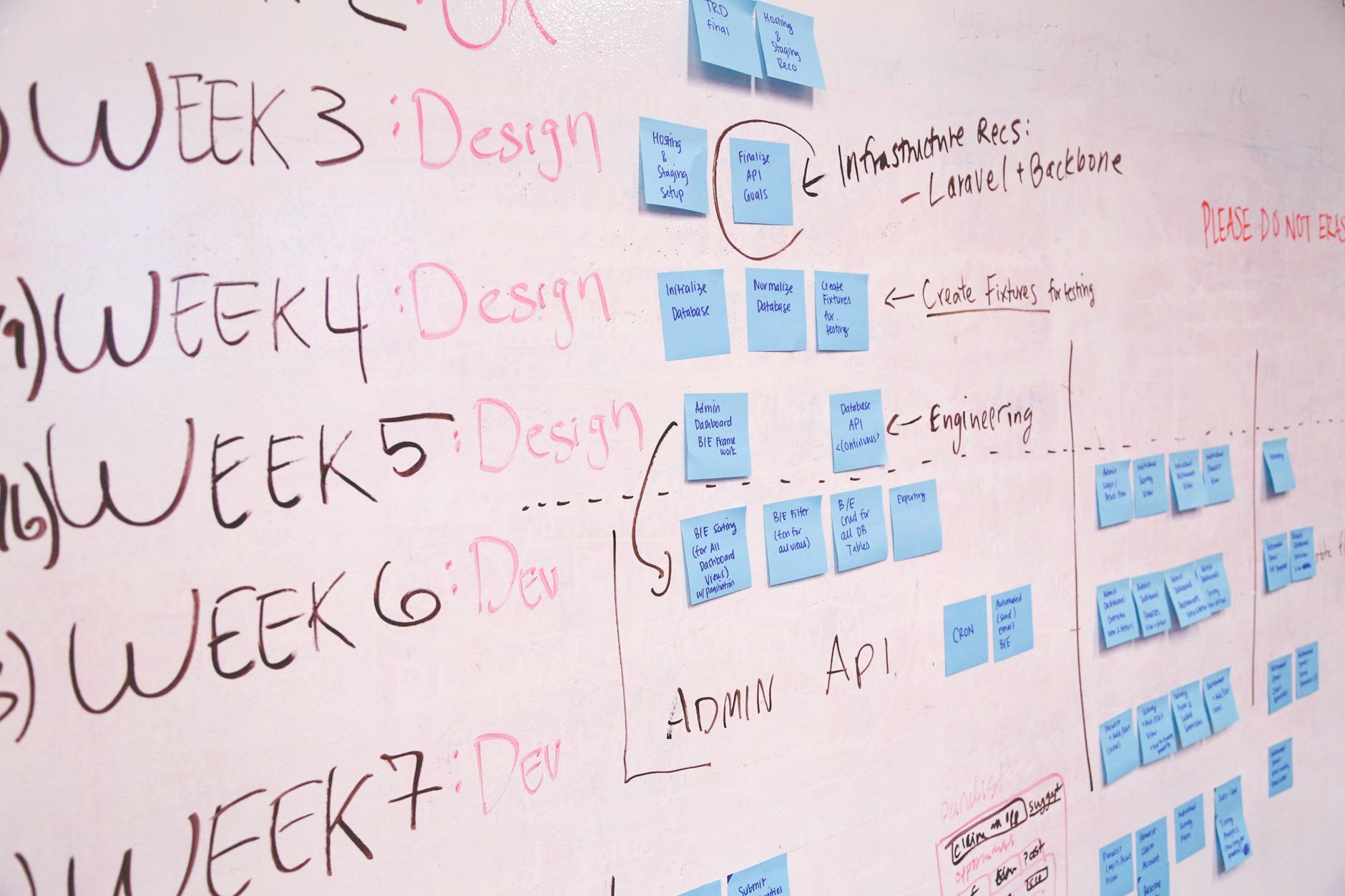
Organizing a major project
Agenda
- Quick Catch Up
- Where to begin?
- Methods for organizing
- Do’s and Don’ts
listen to the podcast
Segment 1
So Rex has been hired to help someone build a new Dungeons & Dragons game. As Gamemaster, he has some specific responsibilities. Maybe he can tell us about them? The game’s owner needs to organize himself and his resources and this is an experience we’re all familiar with.
So today we’re talking about some major projects and the general (and specific) tools and techniques for organizing them.
Examples of major projects that we’ve worked on:
- A novel
- A short story collection
- A podcast
- An anthology
- A website
- A book launch
Some common themes and questions to ask:
- What is the purpose of the project?
- Who is the target audience?
- How will I reach that audience?
- What resources do I need to accomplish this?
- What resources do I already have?
Some common barriers:
- What do I not know about the work I’ll have to do?
- How much time do I have available to allocate to this project?
- What are my deadlines?
- What do I need to get from others and how long will they have to complete their parts?
Segment 2
Let’s drill down a little bit on the project’s purpose. Any time you’re working on a big thing – an event, a launch, a published book – there’s an end condition. What does it look like when it’s done? Say you’re planning a wedding. “Done” would be the day of the event, bride and groom are nuptialed and riding off into the sunset.
But how do we get there? This is the work-backward method of project planning. What does the end result look like? Describe it, in detail, that will help you to identify all the details of completion.
Let’s walk through a couple of examples of the finished project and the details that emerge from envisioning is completed.
Projects have a variety of purposes. This resource on grant writing helps artists get to the purpose of their projects (because grant applications ask for that):
- What – goals (early) and goals (eventually), vision, process
- Who – who will be involved? What will their roles be?
- When – describe the timing of the project, hours you expect to allocate and when
- Where – what’s the location for the project
- Why – explain why the project should be supported – so this is for grant writing but it’s also worth having in your pocket if you’re pitching to a client, an agent, a publisher
Segment 3
So now you know what success looks like and you’ve written your project’s description, it’s time to build the timeline. Let’s work backwards.
End result – use your vision of the end result and generate a list of characteristics. For example, the finished novel will be edited – no misspellings, or errant punctuation. It will have a professional-looking cover. The layout will be professional. All the necessary information (ISBN, copyright, etc) will be in the front cover. The plot arcs will be evident and compelling. The characters’ journeys will be exciting and complete.
Once you have the details of the final product, start categorizing. Categories take a MAJOR project and break it into do-able parts. Group like tasks together. How do you group them?
Maybe the groups are things you can do yourself, and things you need others for. Maybe the groups are technical and artistic. Maybe the groups are items that take many hours and items that are easy to do and short.
Once you have your categories, add specific tasks to them.
Once you have your task list, assign deadlines and due dates, working back from Launch Day or whatever your final deadline is, to see what work you need to be concentrating on now.
Segment 4
Major project planning Dos:
- Have deadlines
- Have penalties for missing those deadlines
- Itemize the work into small enough units that you can accomplish it in small doses
- Keep a checklist of tasks so you can see the progress being made
- Identify any tasks you won’t be able to do yourself and source those first – working with other peoples’ deadlines can prolong your own
- Have back ups for those providers so if they fail or flake on you, there’s a second option
- Use a project organizing software like Trello to help keep you on track
- Have models for finished product that you can go to to re-ignite your passion if things get stale or stall (Pinterest is a good place to collect those ideas)
Major project planning Donts:
- Try to avoid adding things to the task list after the fact
- Don’t extend deadlines unless you have to. Doing so makes the deadlines meaningless and the project will fall apart.
- Don’t forget to build rest and “uh oh” time into your schedule
- Don’t be too general with itemized work or you might unintentionally hide lengthy tasks
 #WriteOnSC Radio Show and Craft School
One Comment Add yours