
On December 2, Kasie and Rex were joined in the studio by horror writer Nick Roberts. Here are the show notes:
“The beating heart of the horror genre is the knowledge that bad things can happen to good people.”
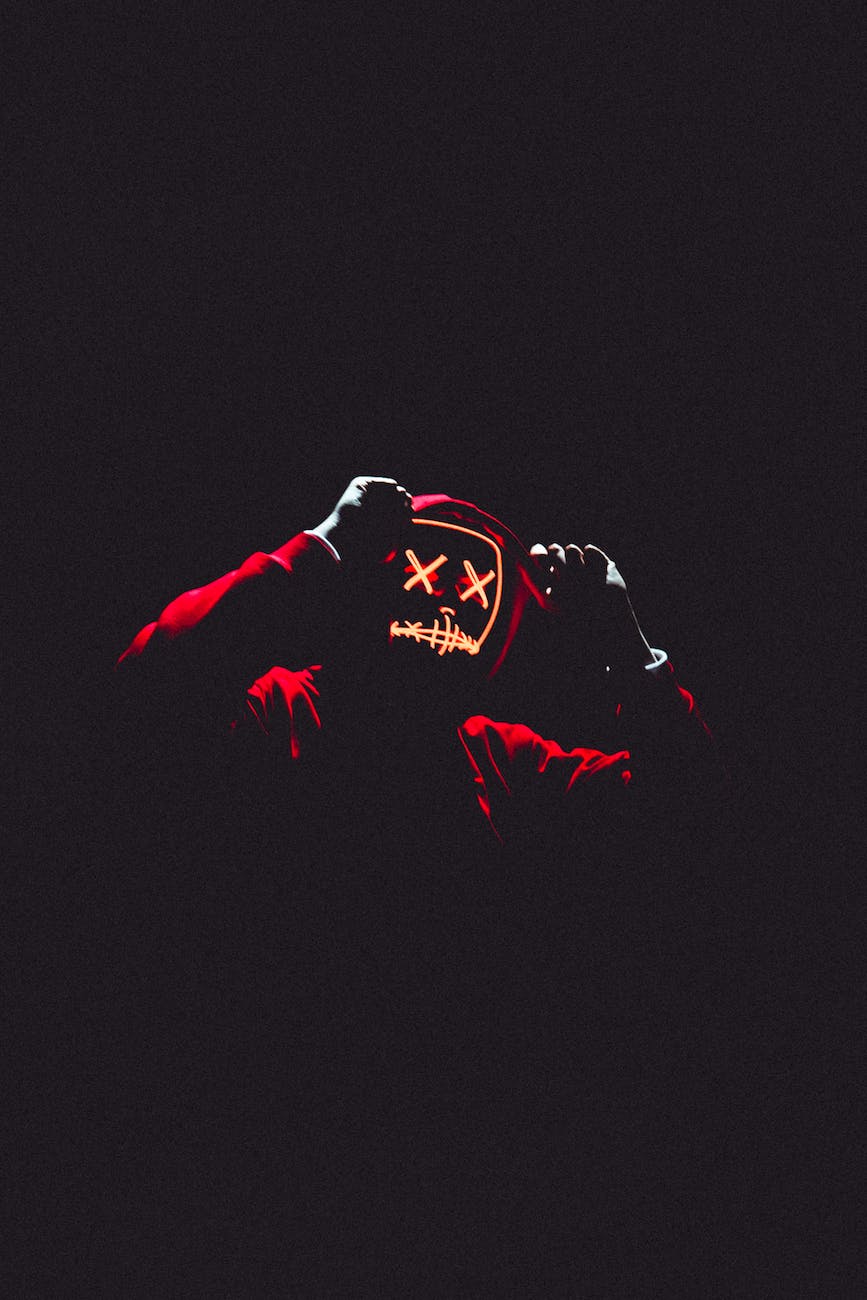
Welcome to special guest, Nick Roberts. Nick Roberts is a native West Virginian and a graduate of Marshall University. He is an active member of the Horror Writers Association and the Horror Authors Guild. His short works have been published in various magazines and anthologies. His novel, Anathema, won Debut Novel of the Year at the 2020-2021 Horror Authors Guild Awards. His second novel, The Exorcist’s House, was released in 2022, and his It Haunts the Mind collection in 2023–both by Crystal Lake Publishing. Upcoming work includes the novels Mean Spirited and The Exorcist’s House: Genesis. He currently resides in South Carolina with his wife and three children and is an advocate for people struggling with substance use disorders.
Importance of the Protagonist
Something unique to horror stories is that there is an unusually large difference in power between the antagonist and protagonist, and this imbalance is present right from the very beginning.
Because the antagonist is so much more powerful than the protagonist, the protagonist’s motivation needs to be clear, it needs to be compelling, and it needs to be readily understandable to your audience. It doesn’t matter if the protagonist’s motivation to pit herself against the monster is selfish (she doesn’t want to die) or selfless (she doesn’t want her daughter to die).
What elements make the most compelling horror protagonist? Does weakness in a character allow the reader to become more immersed in the horror?
Is the protagonist in horror simply a vehicle for us to see the antagonist? To experience his horror from a safe distance? Is it okay not to be interested in the protagonist at all?
Some have said the best horror protagonists have a downward spiral.
Importance of the Antagonist
It is often claimed that the protagonist is the least important part of the horror genre and the antagonist is the most important part. How true is this?
Which elements make for the best or most compelling horror antagonist? Human (Henry Portrait of a Serial Killer) Supernatural (Michael Myers)
What is the most effective way for the antagonist to be revealed?
The Inevitable Lists- How true are each of these?
6 Obligatory Moments in the Horror Genre.
OBLIGATORY MOMENTS are the must-have events, revelations, or decisions and actions that pay off the raised expectations of the CONVENTIONS. The Horror genre has six obligatory moments:
1. An Inciting Attack by a monster.
2. A single non-heroic protagonist is thrown out of stasis and forced to pursue a conscious object of desire: saving their own life.
3. Speech in Praise of the Monster. Either a character or a revelation reveals the unbeatable nature of the monster.
4. The protagonist becomes the final victim after a series of “kill-off” scenes of minor characters.
5. Victim at the Mercy of the Monster. This is the core event of the Horror story when the victim unleashes their gifts.
6. False Ending. There must be two endings.
The Horror genre has six necessary conventions: Are these true?
1. Conventional settings within fantastical worlds. We use the familiar to ground the fantasy elements of the genre.
2. Labyrinths. Settings are claustrophobic and conceal dangers.
3. The Monster can’t be reasoned with. It is possessed by the spirit of evil and is present to devour and annihilate.
4. Perpetual discomfort. The monster attacks randomly so that the audience cannot settle.
5. Mask the power of the Monster. We progressively reveal greater levels of power.
6. Sadomasochistic flip flop. Let the reader experience the power of the Monster while empathizing with the victims
The 10 Things Every Horror Novel Needs
- A monster that can’t be reasoned with.
- The monster is VERY strong or powerful.
- There’s some kind of sin or past mistake.
- The setting feels claustrophobic.
- Lives are at stake.
- The monster stays hidden as long as possible.
- Shapeshifters: The next convention you’ll want to include in your horror story is at least one shapeshifter. Shapeshifters are characters who say one thing and do another — and usually, their behavior directly impacts the protagonist’s mission to defeat the monster or antagonist.
- A Ticking Clock: The next convention you’ll want to include in your horror story is some kind of ticking clock. So, this is some kind of deadline by which the protagonist has to figure out how to stop the monster or the antagonist. It’s essentially a kill or be killed situation for your protagonist.
- A speech in praise of the monster: The next convention you’ll want to include in your horror story is some kind of speech in praise of the monster. So, there’s always a moment in horror stories where one or two characters talk about how strong, smart, and powerful the monster or antagonist is.
- A false ending: The last convention you’ll want to include in your horror story is some kind of false ending. So, in horror stories, there are usually two endings.
Thanks to Nick for joining us this week. We’ll see ya’ll next week.
 #WriteOnSC Radio Show and Craft School